Can a Nutritionist Help With Menopause?
Menopause can be a challenging life phase for women, as it often brings a host of symptoms that can affect daily life.
From hot flashes and night sweats to mood swings and weight gain, menopause symptoms can be overwhelming.
Although there isn’t a cure for menopause, there are ways to relieve the discomfort.
Besides medication, menopause can be managed through lifestyle changes like exercise, healthy eating, and stress management. In this post, we’ll explore how a nutritionist or registered dietitian can help manage menopause symptoms through dietary changes.
Registered Dietitian vs Nutritionist

When it comes to nutrition advice, people often confuse a registered dietitian (RD) with a nutritionist. Although both are nutrition professionals, they differ in qualifications and scope of practice.
A registered dietitian has completed specialized education and training, including at least a master’s degree. They must also pass an exam administered by the Commission on Dietetic Registration (CDR).
All registered dietitians are also nutritionists. But a nutritionist is not necessarily a registered dietitian.
Nutritionists have less formal education requirements but may still possess valuable knowledge about how different foods can affect your health.
For the purpose of this blog, we refer to registered dietitians, as they have the qualifications to address specific concerns related to menopause.
How Can a Nutritionist Help with Menopause?
A nutritionist can help manage menopause symptoms by developing an individualized plan tailored to your needs and lifestyle.
Helps Control Weight Gain
Many women find it hard to maintain a healthy weight during menopause, as their metabolism slows with age.
Hormonal changes during menopause can also make it harder to lose weight.
A nutritionist can work with you to develop a healthy eating plan that supports your individual needs, including any challenges menopause presents.
However, keep in mind that not all nutrition professionals will fit your needs. Find one that is aligned with your specific situation.
Relieves Hot Flashes and Night Sweats
One of the most uncomfortable menopause symptoms is hot flashes and the resulting night sweats, which can disrupt sleep and negatively impact your daily life.
Elevated blood sugar can worsen hot flashes. A nutritionist can help you develop a plan that helps your body control blood sugar. Once blood sugar is under control, the frequency and severity of hot flashes and night sweats are likely to decrease.
A nutritionist can also recommend foods that improve the symptoms as well as help you learn which foods can trigger this uncomfortable problem.
Help Manage Gut Health
Gut health matters during menopause because the hormones that regulate digestion can fluctuate during this life stage.
It’s common for menopausal women to experience nausea, acid reflux, bloating, constipation, diarrhea, and other digestive issues.
A nutritionist can assess your diet and help you create a plan to manage these symptoms. This can also improve gut health, a critical factor in overall health.
Balances Hormones
Hormone imbalance is a significant issue during menopause and can lead to many physical and psychological symptoms.
A nutritionist can help you improve your hormone balance with a plan of nutrition and physical activity. While estrogen and progesterone are still going to decrease, a healthy diet and lifestyle can lessen the imbalance.
However, you will need a dietitian who specializes in menopause, hormone balance, or functional nutrition.
Help Manage Eating Disorders
Not surprisingly, many women develop eating disorders in response to the many changes in the body.
A nutritionist can help you manage these issues and provide support while you recover. If you’re suffering from this condition, it’s important to work with a therapist and physician in addition to a dietitian.
FAQ
Do dietitians have specialties?
They do; while there is no formal training in specialisms, many will focus on particular areas, such as weight loss, diabetes management, sports nutrition, hormone balance, gut health, or menopause.
Individuals may also have different approaches to nutrition. Some believe in a non-diet approach to eating, and some prefer a more structured approach.
As you do when selecting a physician, it’s important to find the right dietitian for you. Ask about their approach, background, and qualifications before making a commitment. It can be worth it in the long run!
What should I look for in a nutritionist?
When looking for a nutritionist, it’s essential to find someone who is qualified and experienced.
A good nutritionist should be able to provide comprehensive, evidence-based advice on any area of health you’re looking for help with.
In recent years, more healthcare professionals—including dietitians—are specializing in menopause.
The Bottom Line
Menopause can be a challenging time for women, but making healthy lifestyle changes can help ease symptoms and improve quality of life.
Working with a good nutritionist can help you develop a personalized eating plan that supports weight management, hormone balance, and overall well-being during this stage.
With healthy eating habits and the right mindset, menopause can be a manageable, even a genuinely good, life stage.
If you’re ready for support tailored to your specific symptoms and goals, I’d love to work with you.
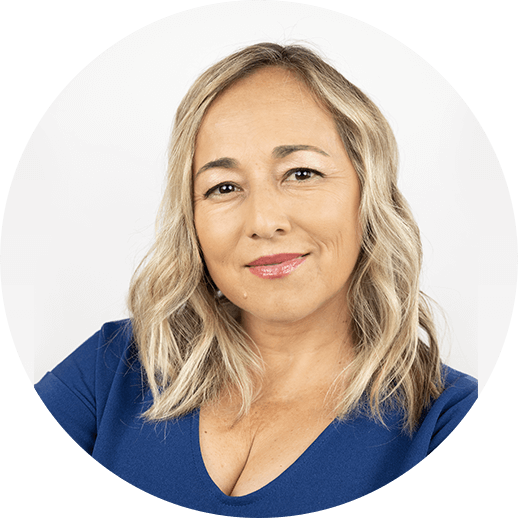
Dr. Su-Nui Escobar, a Registered Dietitian/Nutritionist in Miami, FL, is dedicated to empowering women in perimenopause and menopause to live healthier, more satisfying lives.
With a doctorate in clinical nutrition from the University of North Florida, she has expertise in menopause and weight loss, including the unique challenges faced by those on weight loss medications.
Su-Nui’s passion for her field is evident in her previous role as the Academy of Nutrition and Dietetics spokesperson.