
The Link Between Menopause and Inflammation
For the great majority of women, menopause is a time of great change. Physically, emotionally and hormonally, it can be a roller coaster ride. But for some women, menopause brings on an additional new challenge: inflammation.
The problem with inflammation is that it can worsen some menopause symptoms, like weight gain. Not only that, but it can also have a negative impact on chronic disease.
This article will explore the link between menopause and inflammation and offer solutions to help you navigate this challenging experience.
Does Menopause Cause Inflammation?
New studies suggest that the transition to menopause is pro-inflammatory.
During this period, systemic inflammatory substances called cytokines are released from the reproductive tissue. In addition, there is an alteration in the body’s immune system and increased availability of inflammasome proteins.
Chronic vs Acute Inflammation
The inflammatory response is the body’s natural reaction to injury or infection, and it can be either acute or chronic. Acute inflammation is a normal part of the healing process and typically only lasts for a brief period of time. This type is beneficial.
Chronic inflammation, on the other hand, persists over long periods of time and can cause serious health problems if left untreated.
When we talk about inflammation during menopause, we refer to the chronic type.
Symptoms of Chronic Inflammation
Some of the common symptoms of chronic inflammation include:
- Body pain, arthralgia, myalgia
- Chronic fatigue and insomnia
- Depression, anxiety and mood disorders
- Gastrointestinal complications like constipation, diarrhea, and acid reflux
- Weight gain or weight loss
- Frequent infections
Can Inflammation Play a Role in the Stubborn Menopause Weight Gain?
Oh yes!
Inflammation, gaining weight, and obesity form a vicious cycle, making weight loss an uphill battle during menopause.
Inflammation, Insulin Resistance, and Weight Gain
In response to chronic inflammation, the body releases cytokines. These cytokines can make cells less responsive to insulin. This is called insulin resistance.
When the body is resistant to insulin, it must produce more insulin to stabilize blood sugar levels, resulting in higher insulin levels in the bloodstream. This can increase hunger and fat storage, resulting in weight gain.
Additionally, chronic inflammation can lead to the accumulation of fat cells, particularly in the abdominal area. These fat cells can produce and release inflammatory molecules called adipokines, which can contribute to insulin resistance.
It becomes a cycle, as insulin resistance can also lead to inflammation.
Inflammation, Leptin Resistance, and Weight Gain
When inflammation occurs, it can lead to decreased leptin sensitivity, known as leptin resistance. This means that the body does not receive the signal from the brain to stop overeating, potentially resulting in weight gain over time.
Then, excess weight can lead to further inflammation.
Inflammation, Cortisol, and Weight Gain
Cortisol is a hormone that plays an important role in regulating the stress response in the body.
When inflammation occurs, it can cause the body to release more cortisol, which can lead to weight gain due to increased appetite, cravings, and fat storage.
Studies have shown that higher levels of cortisol are associated with increased waist circumference, a sign of abdominal fat storage.
Moreover, high cortisol levels can interfere with a good night’s sleep, leading to further weight gain.
Chronic inflammation can also cause insulin resistance, which leads to weight gain and difficulty losing weight. Here’s the rub, though: The additional fat that you’re carrying increases insulin resistance. A vicious cycle indeed!
Inflammation, Gut Health, and Weight Gain
Gut health is integral to overall well-being, and inflammation can have a major impact on it.
Chronic inflammation can lead to an imbalance in the gut microbiome, which comprises billions of bacteria that live in the digestive tract.
When this balance is disrupted, it can increase hunger and cravings, ultimately resulting in weight gain. Additionally, chronic inflammation can lead to increased intestinal permeability, or “leaky gut,” which can also cause weight gain.
The good news is that there are steps you can take to reduce inflammation and get back on track with your health.
Inflammation and Pain
Sometimes, inflammation can result in pain because it causes the body to swell. This swelling can start pressing against nerve endings, causing pain. As long as the pressure persists, the pain will continue.
Joint pain is common in menopause and can worsen when the body is inflammatory.

Inflammation and Chronic Disease
Considering the myriad of health problems it can cause, inflammation is not a condition you want to ignore. After menopause, it can also increase the risk of developing chronic problems like cardiovascular disease, diabetes, and cancer.
A chronically inflamed body also accelerates aging. Reducing this condition should therefore be a priority if you want to stay youthful and active for as long as possible.
How to Reduce Inflammation During Menopause
Fortunately, there are steps you can take to reduce inflammation during menopause and help keep your body healthy and strong.
Follow an Anti-inflammatory Diet
This diet focuses on eating more anti-inflammatory foods and minimizing those that cause inflammation.
Furthermore, this eating pattern puts emphasis on adding more whole foods filled with antioxidants while avoiding processed food.
Food to Include
Anti-inflammatory foods are typically whole foods that are natural, unprocessed, and low in sugar.
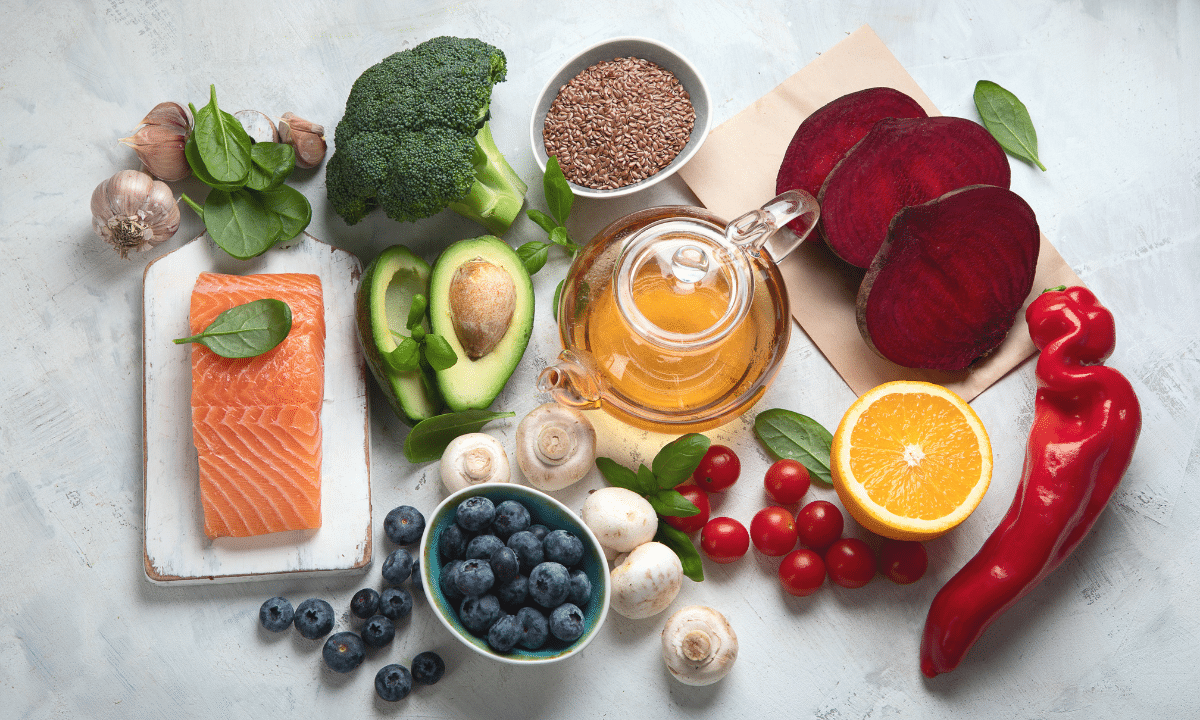
- Green leafy vegetables, such as kale and spinach
- Berries such as strawberries and blueberries
- Fatty fish like salmon
- Nuts such as walnuts and almonds
- Spices including ginger and turmeric
Get your printable anti-inflammatory food list here
Foods to Minimize
An overly-rich diet that includes sugar, processed foods, and unhealthy fats has been known to cause chronic inflammation in the body. Gluten is also inflammatory in people who are sensitive to it. Thus, to decrease this response in the body, you should limit the amount of pro-inflammatory foods in your diet, including:
- Sugary drinks
- Pastries, muffins, and cakes
- White pasta, bread, and sugary cereals
- Pizza
- Processed meats
- Processed snacks
- Fast foods
- Fried foods
- Alcohol
Move More
Physical activity is a great way to reduce inflammation in the body. Regular exercise helps improve circulation, strengthens the immune system, and reduces the stress hormones that can trigger the inflammatory response.
Lose Weight
As mentioned above, inflammation and the accumulation of body fat form an unhealthy partnership, with each feeding off the other in a damaging pattern.
By losing weight, you can help break this cycle. Consider adding anti-inflammatory foods to your diet to make weight loss easier.
Stress Less
Stress is one of the major contributing factors of inflammation. When we are under stress, our bodies release hormones such as cortisol, which triggers an inflammatory response.
The Bottom Line
It’s clear that inflammation can play a significant role in menopause and that menopause can promote inflammation.
To prevent problems caused by this response, it’s important to take steps to reduce the body’s inclination to become inflamed.
Eating an anti-inflammatory diet filled with whole foods like green leafy vegetables, fatty fish, and nuts while limiting processed foods, sugar, and unhealthy fats will help keep your body healthy.
Additionally, regular exercise, stress reduction techniques, and weight loss are all effective ways of reducing unhealthy levels of inflammation.
By making these lifestyle changes, you can ensure that you stay healthy and vibrant through your menopause and beyond!
Other Helpful Blog Posts:
Supplements for Menopause Joint Pain
The Inflammation and Weight Gain Connection

Dr. Su-Nui Escobar, a Registered Dietitian/Nutritionist in Miami, FL, is dedicated to empowering women in perimenopause and menopause to live healthier, more satisfying lives.
With a doctorate in clinical nutrition from the University of North Florida, she has expertise in menopause and weight loss, including the unique challenges faced by those on weight loss medications.
Su-Nui’s passion for her field is evident in her previous role as the Academy of Nutrition and Dietetics spokesperson.
2 thoughts on “The Link Between Menopause and Inflammation”
I am having inflammation with joint pain. I keep hearing about turmeric, chondroitin, pro-biotics, etc-are these supplements beneficial?
Hi! Supplements can be really helpful, along with anti-inflammatory diet. I have a perfect blog post for you -supplements for joint pain. https://menopausebetter.com/supplements-for-menopause-joint-pain/